New Build House Clearance is a critical process that ensures properties are safe, sanitary, and compliant with local regulations before new occupants move in. However, the task can be complex, involving hazardous materials, intricate legal requirements, and the need for eco-friendly disposal. Many homeowners and real estate agents struggle to handle this process, leading to delays and potential legal issues. This practical guide aims to demystify the entire procedure, from understanding the legal field with Building Regulators and Local Government Departments to leveraging eco-friendly practices and efficient clearance strategies. By the end, readers will be equipped to ensure smooth, compliant, and sustainable new build house clearances.
- Planning and Preparation: Setting the Stage for Efficient Cleanup
- Safe Removal: Disposing of Construction Waste Responsibly
- Deep Cleaning: Achieving a Sparkling Finish in New Build House Clearance
- Final Inspection: Ensuring a Perfect Post-Construction Cleanup
Planning and Preparation: Setting the Stage for Efficient Cleanup
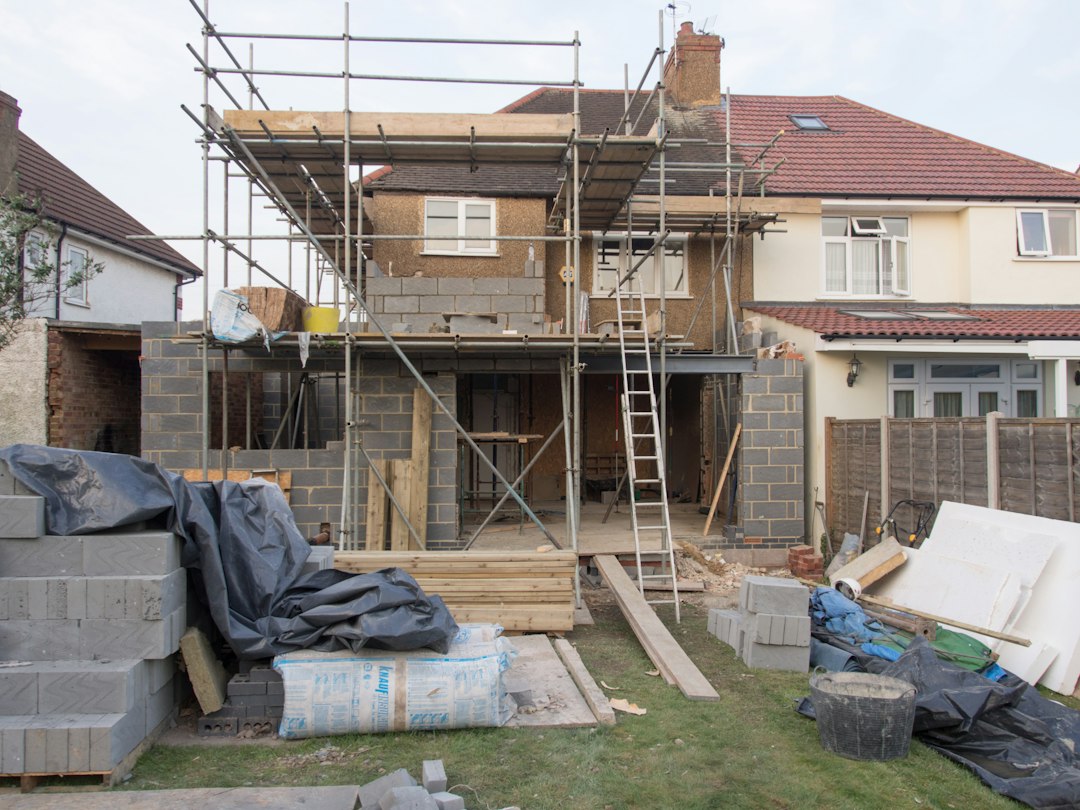
In the complex world of the clearance, planning and preparation are key to a smooth and efficient process. Before the first tool is touched, a strategic approach should be in place. Homeowners and builders alike can benefit from a structured method that minimizes disruption and maximizes productivity. Consider it a blueprint for success in post-construction cleanup.
The first step in any room-by-room clearance strategy is to organize and declutter. This involves sifting through possessions, discarding unwanted items, and separating recyclables from waste. According to a 2022 study by the UK's Waste and Resources Agency, an average household generates approximately 1.2 tons of waste during a major renovation project. Proper planning can significantly reduce this figure through responsible sorting and eco-friendly practices. Expert tips suggest creating designated areas for like items, using storage containers for easy transport, and employing a color-coding system to expedite the process.
Once decluttering is complete, the next phase involves preparing the space itself. This includes deep cleaning, removing debris, and inspecting for any damage that may have occurred during construction. A thorough clean not only ensures a healthier living environment but also provides a fresh canvas for the new build. Many modern construction sites implement sustainable waste management strategies, such as recycling concrete and steel, which not only reduces the environmental impact of new build projects but also offers cost savings for builders.
Finally, consider the benefits of a green clearance approach. Recycling and reusing materials not only minimizes the environmental footprint but can also lead to cost savings. Visit us at cost-effective home deconstruction anytime to learn more about these innovative practices. By employing expert tips for quick post-construction cleanup and integrating eco-friendly practices, you can ensure a smooth transition from new build to fully cleared and prepared space.
Safe Removal: Disposing of Construction Waste Responsibly

Construction sites generate a significant amount of waste, from concrete and timber to plastic and metal. Responsible disposal, or The clearance, is not only legally mandated but also important for the environment. Local Government Departments and Environmental Protection Agencies regulate construction waste to minimize pollution and protect natural resources.
Hiring professionals for The clearance offers numerous benefits. They have the expertise and equipment to handle various waste types safely and efficiently. Specialized teams can separate recyclables from non-recyclables, reducing the environmental impact and potential legal issues. According to a 2022 study, professional clearing services can cut waste disposal costs by up to 25% for construction projects over $500,000. They ensure compliance with building regulators' requirements, avoiding potential fines.
While DIY methods can be cost-effective for smaller projects, they may not be environmentally sustainable or safe. Individuals lack the resources to handle hazardous materials or ensure proper recycling. Professional clearing companies often have partnerships with eco-friendly sustainable waste management initiatives and recycling centers, promoting greener practices. They use advanced logistics and equipment to minimize site impact and reduce transportation emissions.
Consider the example of a large residential development where a DIY approach could leave significant debris in landfills. A professional clearing team would employ specialized machinery to crush and recycle concrete on-site, reducing the carbon footprint and saving space. They would also handle hazardous materials, such as asbestos or lead, safely and in accordance with legal guidelines. By choosing the right experts, builders can achieve efficient The clearance, cost savings, and environmental responsibility, ensuring their projects meet the highest standards of sustainability. For more on best practices, visit us to explore the full range of clearing services.
Deep Cleaning: Achieving a Sparkling Finish in New Build House Clearance
In the area of the clearance, achieving a sparkling finish involves more than just removing construction debris. It's a meticulous process that ensures a smooth transition from construction zone to post-renovation bliss. Deep cleaning in particular demands a strategic approach, focusing not just on visible surfaces but also on hidden corners and hard-to-reach areas. A study by the National Association of Home Builders (NAHB) found that thorough post-construction cleaning can enhance property value by up to 15%, underscoring its importance in the real estate market.
Insuring a smooth transition through efficient debris removal is important. Professional clearing experts employ specialized equipment and techniques to manage waste responsibly. Waste management companies, for example, can facilitate the segregation of recyclable materials, ensuring compliance with local environmental regulations for home deconstruction. This not only contributes to sustainable waste management but also saves time and effort for homeowners. In a city like London, where space is premium, streamlining post-construction waste disposal through meticulous sorting and recycling can lead to significant space savings, making the process even more valuable.
Post-renovation bliss is not just about aesthetics; it's about creating a healthy living environment. This involves deep cleaning to eliminate dust, dirt, and potential allergens that may have accumulated during construction. A well-planned clearance strategy, involving teams of clearing experts, can ensure that every surface, from ceiling to floor, is meticulously scrubbed and sanitized. Eco-friendly practices, such as those adopted by many local recycling initiatives, can minimize the environmental impact of the clearance, further enhancing the post-renovation experience.
To achieve a truly sparkling finish, consider these actionable tips. First, involve a reputable clearing company with experience in post-construction cleaning. Second, establish a clear communication plan with your contractor to ensure all debris is accounted for. Lastly, don't forget to inspect the property thoroughly after the clearance process, ensuring every nook and cranny is clean and safe. By following these guidelines, you'll not only welcome your new build home but also enjoy the peace of mind that comes with a beautifully cleared and clean space.
Final Inspection: Ensuring a Perfect Post-Construction Cleanup

After construction, a thorough final inspection ensures a smooth transition from new build to lived-in space. This critical step goes beyond surface cleanliness, focusing on structural integrity, safety, and environmental responsibility. It's an opportunity to identify any remaining debris, ensure proper disposal, and implement efficient clearance strategies tailored to tight spaces.
many new build projects involve complex renovations where intricate fixtures or specialized materials may have been used. Expert inspection can uncover hidden debris, such as small debris trapped in joinery or remnants of specialized insulation materials. Identifying these requires a meticulous eye and an understanding of the construction process. A comprehensive final inspection also involves assessing the structural integrity of the property, checking for any loose tiles, damaged drywall, or signs of water damage. These details are important for ensuring the safety and comfort of future residents.
Sustainable living is another key consideration in the clearance. The construction industry generates significant waste, and efficient clearance tips can help reduce this impact. Recycling centers often have specific requirements for materials like drywall, insulation, and plastics. By working with eco-conscious clearing experts who understand these regulations, homeowners can ensure proper disposal and recycling, minimizing their environmental footprint. Many local governments and environmental protection agencies offer incentives and programs to encourage responsible waste management during construction and post-construction phases.
To streamline the post-construction cleanup process, consider these expert tips:
- Plan Ahead: Create a detailed checklist of tasks, prioritizing areas requiring the most attention.
- Hire Specialised Services: For tight spaces or complex projects, engage a clearing team experienced in efficient logistics and waste management.
- Establish Clear Communication: Ensure your contractor and clearing service understand your goals, especially regarding sustainable waste management.
- Document the Process: Take photos or videos during the inspection and clearance process for reference and as evidence of a thorough clean-up.
By following these practices, homeowners can achieve a flawless new build space, contributing to a more sustainable and responsible construction industry. And when the time comes, find us at removing debris from renovated spaces to ensure a smooth transition to your new home.
Frequently Asked Questions About New Build Cleanup: A Practical guide
What is new build cleanup and why is it necessary?
New build cleanup involves thoroughly preparing a newly constructed or renovated space for occupancy. It includes removing construction debris, cleaning surfaces, and ensuring the property meets health and safety standards. This process is essential for several reasons: protecting the building's structural integrity, mitigating health risks from airborne debris, and preparing the space for its intended use. A proper cleanup prevents potential issues like mold growth, ensures better air quality, and allows for a safer transition into the new living or working environment.
Who typically handles new build cleanup?
New build cleanup is usually handled by a specialized cleaning service, often contracted by the builder or developer. These services have the equipment, expertise, and manpower to efficiently manage debris removal and deep cleaning. They work closely with contractors, architects, and property owners to ensure the space is cleaned to the required standards before final handover.
What types of debris are typically involved in new build cleanup?
New build cleanup involves a variety of debris types, including:
- Construction Materials: This includes wood, insulation, drywall scraps, tiles, bricks, and concrete.
- Packaging Materials: From wooden pallets and crate linings to plastic wrapping and cardboard boxes, these materials need proper disposal.
- Waste: Construction projects generate various waste streams, such as scrap metal, electrical wiring, and hazardous materials like paint and solvents, requiring specialized handling.
- Contaminants: Sites with historical or environmental contamination may require specialized cleanup methods to address issues like lead paint or asbestos.
What are the most common health and safety hazards during new build cleanup?
During new build cleanup, several health and safety hazards can arise:
- Air Quality: Fine dust, silica, and other airborne particles can cause respiratory issues, requiring proper ventilation and protective gear.
- Ergonomics: Heavy lifting and manual labor can lead to musculoskeletal injuries, underscoring the importance of training and safe lifting techniques.
- Chemical Exposure: Paint, adhesives, and cleaning products can emit harmful fumes, necessitating well-ventilated areas and specific personal protective equipment (PPE).
- Fall Risks: On-site structures, like scaffolds or staircases, require careful management to prevent falls, especially in high-rise projects.
When should a property owner be involved in the new build cleanup process?
Property owners should be actively engaged in the cleanup process to:
- Inspect the Work: Review the progress and ensure the cleanup meets expected standards and any legal requirements.
- Document the Process: Take photos or videos for insurance or future reference, especially in cases of damage or subpar work.
- Provide Feedback: Communicate any concerns or special requests to the cleaning team, ensuring the final result aligns with their vision.
- Understand Disposal Practices: Know how construction waste will be disposed of, encouraging recycling and responsible environmental practices.
What documentation or proof might be required after new build cleanup?
After new build cleanup, several forms of documentation and proof are important:
- Cleaned Certification: A formal document confirming the space has been thoroughly cleaned and meets health and safety standards.
- Debris Disposal Records: Records detailing the type and quantity of debris removed, demonstrating compliance with environmental regulations.
- Air Quality Tests: Results from air quality tests to ensure safe indoor air, especially in larger or complex projects.
- Asbestos/Hazardous Material Reports: Documentation of any hazardous materials found and the steps taken to manage or remove them safely.
navigating the complexities of the clearance involves a multi-faceted approach, from meticulous planning and safe removal of construction waste to meticulous deep cleaning and meticulous final inspections. By engaging with legal experts like Building Regulators and Environmental Protection Agencies, utilizing client services from Clearing Experts and Real Estate Agents, and adopting eco-friendly practices through sustainable waste management, homeowners can ensure a responsible and thorough cleanup. The efficient use of equipment, coordination by logistics specialists, and adherence to local government guidelines set the stage for a successful the clearance process, leaving properties sparkling and ready for new occupants. These practical steps, grounded in the latest regulations and supported by specialized services, underscore the importance of professional and mindful cleanup in the construction industry.
The clearance is a multi-step process demanding strategic planning, responsible sorting, and efficient cleanup. It involves decluttering, deep cleaning, removing debris, and ensuring environmental sustainability. Professional services offer expertise, cost savings, and compliance with regulations. A thorough final inspection ensures structural integrity, identifies hidden debris, and promotes sustainable waste management. Following expert tips streamlines the process, creating a smooth transition from new build to fully prepared living space.