
New Build House Clearance: A Comprehensive Guide
Introduction
In today's rapidly evolving urban landscape, the concept of 'New Build House Clearance' has emerged as a pivotal strategy for efficient land utilization and sustainable development. This process involves the comprehensive clearing and preparation of newly constructed or vacant residential properties for subsequent use, whether it be redevelopment, new construction, or land recycling. The significance of New Build House Clearance lies in its ability to unlock vast tracts of underutilized real estate, drive economic growth, and promote environmentally conscious practices.
This article aims to provide an insightful exploration of the various facets of New Build House Clearance, offering readers a comprehensive understanding of its importance, processes, global impact, and future potential. By delving into this topic, we hope to equip individuals and stakeholders with valuable knowledge to navigate the complexities of urban transformation.
Understanding New Build House Clearance
Definition: New Build House Clearance refers to the systematic process of demolishing or removing existing structures from newly constructed or recently vacant residential properties, preparing the land for alternative uses. It involves a series of steps that ensure the safe and efficient removal of buildings, infrastructure, and debris, with a focus on maximizing the potential of the cleared site.
Core Components:
-
Demolition: The physical process of tearing down structures, often involving specialized equipment and techniques to ensure safety and minimize environmental impact.
-
Site Assessment: Conducting thorough inspections and analyses to identify hazardous materials, assess structural integrity, and evaluate potential environmental contaminants.
-
Debris Management: Implementing strategies for collecting, sorting, and disposing of construction debris, ensuring compliance with waste management regulations.
-
Land Preparation: Grading, clearing, and preparing the land for new development, which may include soil stabilization, site grading, and utility relocation.
Historical Context: Historically, urban renewal and redevelopment have been essential components of city planning, driven by the need to accommodate growing populations and changing land-use patterns. New Build House Clearance, as a specialized service, has evolved in response to these dynamic urban demands. Over time, advancements in technology and an increased focus on sustainable practices have shaped the methodologies employed in this process.
Significance: The importance of New Build House Clearance cannot be overstated, especially in densely populated areas where land is a valuable commodity. It offers several key advantages:
-
Land Reutilization: Maximizes the potential of underutilized or vacant residential sites, allowing for more efficient urban development.
-
Economic Stimulation: Drives economic growth by facilitating new construction projects, attracting investments, and creating job opportunities.
-
Environmental Sustainability: Enables the implementation of green initiatives, such as eco-friendly building practices and infrastructure development, contributing to a lower carbon footprint.
-
Infrastructure Improvement: Provides an opportunity to upgrade and expand local infrastructure, including roads, utilities, and public spaces.
Global Impact and Trends
New Build House Clearance is a global phenomenon, with varying degrees of implementation and unique regional characteristics. Here's an overview:
| Region | Impact & Trends | Notable Examples |
|---|---|---|
| North America | Strong focus on mixed-use development and infill projects. Cities like New York and Toronto have successfully utilized clearance for revitalizing neighborhoods. | The revitalization of Manhattan's West Side Yard into a mixed-use district with residential, commercial, and recreational spaces. |
| Europe | Emphasis on sustainable urban development and brownfield redevelopment. Many European cities are known for their comprehensive land recycling programs. | Berlin's transformation of former industrial sites into vibrant cultural hubs and housing developments, such as the transformation of the former Gaswerketahl site. |
| Asia Pacific | Rapid urbanization drives demand for clearance services. Countries like China and Japan have implemented large-scale clearance projects to support new infrastructure development. | Beijing's massive urban renewal project involving the demolition and redevelopment of old neighborhoods to accommodate the 2008 Olympics. |
| Middle East & Africa | Growing cities with limited green spaces are focusing on land reclamation and redevelopment. Dubai's artificial island development is a notable example. | The creation of Palm Jumeirah in Dubai, an artificial archipelago designed to support residential, commercial, and entertainment districts. |
Economic Considerations
The economic implications of New Build House Clearance are multifaceted, impacting various sectors within the construction and real estate industries.
Market Dynamics:
- Real Estate Values: The clearance process can influence property values in surrounding areas, either positively or negatively, depending on the scale and nature of development.
- Construction Industry: It creates a ripple effect, boosting demand for construction materials, labor, and specialized services.
Investment Patterns:
- Private Sector Involvement: Clearance projects often attract private investments, with developers and investors seeing potential in redeveloping prime urban locations.
- Public-Private Partnerships: Governments and private entities collaborate on clearance and redevelopment initiatives to share risks and resources.
Economic Impact Analysis:
A study by the International Journal of Project Management (2021) found that New Build House Clearance projects contribute significantly to local economies, generating a multiplier effect that can last for several years after completion. The report highlights the importance of effective project management and community engagement in maximizing economic benefits.
Technological Advancements
Technology plays a transformative role in modernizing New Build House Clearance operations:
-
Drone Surveillance: High-resolution drones provide detailed aerial imagery, enabling efficient site monitoring, hazard identification, and progress tracking.
-
Automated Demolition: The introduction of remote-controlled and autonomous demolition equipment enhances safety and reduces labor costs.
-
Waste Sorting Technologies: Advanced sorting facilities and automated systems for separating construction debris into recyclable and disposable materials improve waste management efficiency.
-
Geospatial Mapping: GPS and LiDAR technologies create precise 3D models, aiding in site planning, assessment, and land surveying.
These technological innovations not only enhance productivity but also contribute to more sustainable and environmentally friendly clearance practices.
Policy and Regulation
The regulatory landscape surrounding New Build House Clearance varies across jurisdictions, reflecting local priorities and cultural contexts:
-
Zoning Laws: Local governments enforce zoning regulations that dictate land use and development patterns, influencing the scope and timing of clearance projects.
-
Environmental Protection: Stricter environmental policies require thorough site assessments and adherence to waste management guidelines to minimize ecological impact.
-
Historical Preservation: In some regions, laws protect historically significant structures or neighborhoods, dictating a delicate balance between preservation and development.
-
Safety Standards: Rigorous safety regulations govern demolition activities, ensuring the well-being of workers and nearby residents.
Challenges and Criticisms
Despite its numerous benefits, New Build House Clearance faces several challenges that require careful consideration:
-
Community Displacement: Large-scale clearance projects can displace long-time residents, leading to social and cultural disruptions. Engaging with communities and ensuring fair compensation are crucial.
-
Environmental Concerns: Improper waste management and ecological damage during the clearance process are valid concerns. Strict enforcement of environmental regulations is essential.
-
Logistical Complexities: Urban clearance involves intricate logistics, requiring careful planning to minimize disruption to nearby businesses and residents.
Proposed Solutions:
-
Community Engagement: Involving local communities in decision-making processes and providing transparent communication can foster acceptance and support.
-
Sustainable Practices: Adopting eco-friendly technologies and waste management strategies can mitigate environmental impacts.
-
Comprehensive Planning: Developing integrated land use plans that consider clearance projects within a broader urban context ensures more harmonious development.
Case Studies: Successful Applications
London, UK: The Regeneration of King's Cross
The transformation of King's Cross in London exemplifies the successful implementation of New Build House Clearance. Once a rundown area with derelict buildings and empty sites, it has evolved into a bustling hub featuring mixed-use development, cultural spaces, and improved infrastructure. The project involved the clearance of several historic but neglected structures to make way for modern architecture and public amenities. This case study highlights the economic and social benefits of thorough planning and community engagement in large-scale clearance initiatives.
Singapore: The Marina Bay Redevelopment
Singapore's iconic Marina Bay transformation is another remarkable example. The project involved the clearance and redevelopment of a significant portion of the city-state's waterfront, creating a vibrant mix of residential, commercial, and entertainment districts. This case study demonstrates Singapore's forward-thinking approach to urban planning, where New Build House Clearance played a pivotal role in shaping a world-class destination.
Future Prospects
The future of New Build House Clearance is poised for growth and innovation:
-
Sustainable Development Goals: With a growing emphasis on achieving the UN's Sustainable Development Goals, clearance projects will increasingly prioritize environmental sustainability, social equity, and economic viability.
-
Smart Cities: Integrating clearance initiatives with smart city technologies can optimize resource management, waste reduction, and urban planning processes.
-
Decarbonization: The push for net-zero emissions will drive the adoption of eco-friendly demolition methods, renewable energy sources, and sustainable building practices.
-
Digitalization: Advanced digital tools and data analytics will enhance project planning, design, and monitoring, ensuring more efficient and precise clearance operations.
Conclusion
New Build House Clearance is a dynamic and multifaceted process that plays a critical role in shaping urban landscapes. From economic stimulation to environmental sustainability, its impact is far-reaching and transformative. As cities continue to grow and evolve, the efficient utilization of land resources will remain paramount. By embracing technological advancements, implementing robust policies, and fostering community engagement, stakeholders can navigate the challenges and unlock the immense potential of New Build House Clearance.
FAQ Section
-
Q: What are the typical steps involved in a New Build House Clearance project? A: The process typically includes site assessment, planning and design, demolition or removal of structures, debris management, land preparation, and finally, new development or reuse of the site.
-
Q: How does New Build House Clearance contribute to environmental sustainability? A: It promotes sustainable practices by enabling the implementation of green building technologies, proper waste management, and efficient land use, all of which reduce environmental footprints.
-
Q: Are there any legal requirements for conducting a clearance project? A: Yes, various regulations govern clearance projects, including zoning laws, environmental protection guidelines, historical preservation rules, and safety standards to ensure compliance and minimize disruptions.
-
Q: Can New Build House Clearance positively impact local communities? A: Absolutely! Well-planned and executed clearance projects can bring economic growth, improved infrastructure, and new amenities to communities, enhancing overall quality of life.
-
Q: What role does technology play in modern clearance operations? A: Technology, such as drones, automated equipment, advanced sorting facilities, and geospatial mapping tools, enhances efficiency, safety, and sustainability in New Build House Clearance processes.
Category: New Build House Clearance

New Build House Clearance: Restoring Spaces for a Better Future
Read more →
Revitalize: New Build House Clearance for Lasting Restoration
Read more →
Revitalize New Builds: Post-Construction Clearance & Restoration Guide
Read more →
Revitalize Post-Construction: New Build House Clearance Strategies
Read more →New Build House Clearance: Restore, Revitalize, Responsibly
Read more →
Efficient Post-Construction Restoration: Clearing for Sustainability
Read more →
Restoring Homes: New Build Clearance to Lasting Reconstruction
Read more →New Build House Clearance: Restoring Spaces Sustainably
Read more →Revitalize: New Build House Clearance for Sustainable Post-Construction Restoration
Read more →
New Build House Clearance: Restoring Spaces for Sustainable Future
Read more →Restoring New Builds: Clearance to Lasting Transformation
Read more →Revitalize: Sustainable Restoration After New Build Clearance
Read more →
New Build Restoration: Clear, Plan, Sustain for Lasting Spaces
Read more →Revitalize Spaces: Efficient Post-Construction New Build Clearance
Read more →Revitalize Post-Construction: New Build House Clearance & Sustainable Restoration
Read more →New Build House Clearance: Revitalize Post-Construction Spaces
Read more →Revitalize: New Build House Clearance for Sustainable Restoration
Read more →
Expert Tips: Effortless New Build House Clearance
Read more →
Mastering New Build House Clearance for Post-Renovation Bliss
Read more →Sustainable New Build House Clearance: Eco-Friendly Debris Solutions Near You
Read more →Optimizing New Build House Clearance: Sustainable Waste Disposal Strategies
Read more →
Hiring Reliable Clearing Teams for New Build House Projects
Read more →
Mastering New Build House Clearance: Tools & Transformative Techniques
Read more →
Mastering New Build House Clearance: Chaos to Order
Read more →Revitalize: Post-Construction Restoration for Lasting New Builds
Read more →New Build House Clearance: Sustainable Restoration Strategies
Read more →Mastering New Build House Clearance: Tools & Best Practices
Read more →Easing Stress: New Build House Clearance Experts
Read more →
Efficient Debris Sorting for New Build House Clearance
Read more →Revitalize: New Build House Clearance for Sustainable Restoration
Read more →Navigating New Build House Clearance: Hire Reliable Teams Effortlessly
Read more →
Top Tips for Eco-Friendly New Build House Clearance
Planning a New Build House Clearance? Implement sustainable practices early by minimizing waste thro.......
Read more →
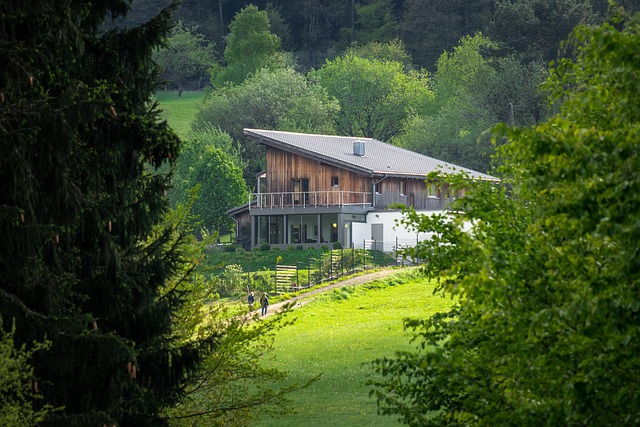
Navigating Complex Projects: New Build House Clearance Strategies
New Build House Clearance requires strategic planning for successful, sustainable transitions. Key a.......
Read more →

Revolutionizing Construction: Eco-Friendly Practices from Clearance to Policy
Construction waste management is a growing global challenge, with regulations driving high recycling.......
Read more →

Navigating Legal Ethical Considerations for New Build House Clearance
Navigating New Build House Clearance regulations is vital for construction sustainability. Strict la.......
Read more →
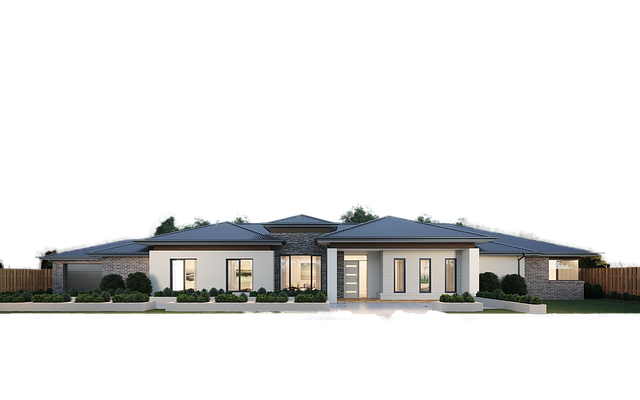
Eco-Friendly House Clearance: New Build to Efficient Packing Tips
New Build House Clearance requires strategic planning for sustainability, cost savings, and legal co.......
Read more →
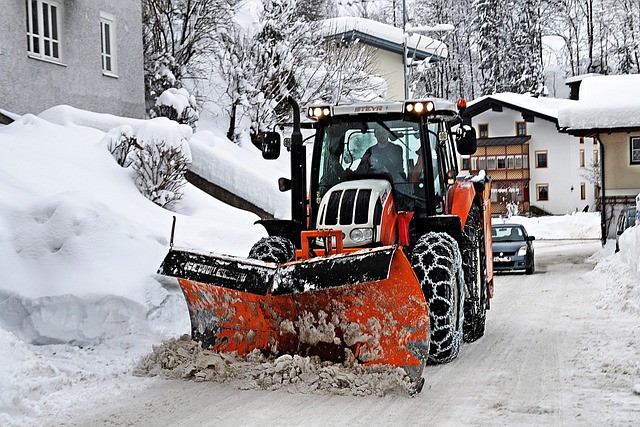
Unpacking New Build: Essentials for a Seamless Move & Style
New Build House Clearance is vital for sustainable living, reducing construction waste, and adhering.......
Read more →

Sustainable Construction: Reduce Waste in New Build Clearance
New Build House Clearance presents significant environmental challenges with vast amounts of waste e.......
Read more →

Mastering New Build House Clearance: Insurance Coverage Guide
Navigating New Build House Clearance insurance requires understanding policy limitations for debris.......
Read more →

New Build Clearance: Sustainable Strategies for Waste Reduction
Construction waste from new homes significantly harms the environment, generating up to 40% more deb.......
Read more →
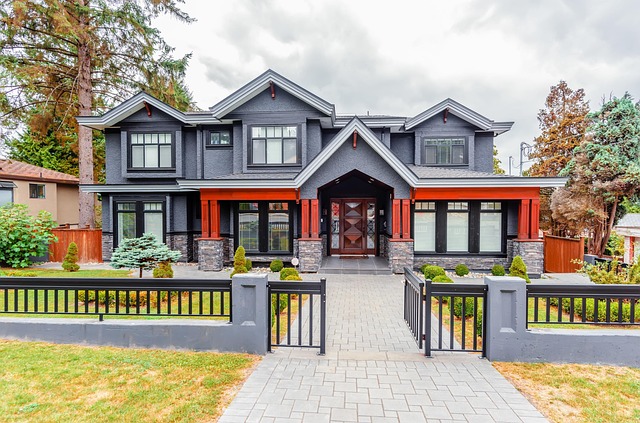
Streamline Waste Disposal: New Build to Sustainable Future
Efficient New Build House Clearance involves meticulous planning, sorting, and collaboration with sp.......
Read more →
New Build House Clearance: Green Recycling Revolution
New Build House Clearance (NBC) is a sustainable approach to construction waste management, focusing.......
Read more →

Revolutionize Construction: Waste Reduction in New Build Clearance
New Build House Clearance poses significant environmental challenges due to hazardous debris and was.......
Read more →

Efficiency Secrets for New Build House Clearance
A successful New Build House Clearance involves strategic planning, categorization of debris, effici.......
Read more →
Navigating Legal & Ethical Disposal in New Build Clearance
The legal and ethical clearance of new build houses involves complex waste management. Strict regula.......
Read more →

Streamline New Build House Clearance: Time-Saving Hacks & Tips
Efficient New Build House Clearance involves strategic planning, recycling, and organization. Start.......
Read more →