
Navigating New Build House Clearance insurance requires understanding policy limitations for debris removal, especially in regions with strict waste management laws. Professional clearing services offer expertise in handling diverse debris types, promoting efficient recycling and environmental stewardship. Clear communication with insurers is vital to managing costs and ensuring compliance. Reputable companies adhering to environmental standards provide peace of mind. A structured approach involving material sorting and expert deconstruction specialists optimizes claims and contributes to sustainability, aligning with eco-conscious trends in the construction industry.
In today’s complex landscape of construction and development, ensuring proper New Build House Clearance procedures, including debris removal, is non-negotiable. Effective navigation of insurance coverage for these processes is a critical yet often overlooked aspect, especially with the ever-changing regulatory environment and diverse project scopes. The challenge lies in understanding which policies apply, managing potential gaps, and mitigating risks associated with debris disposal. This authoritative article serves as your comprehensive guide, providing insights into navigating insurance coverage for debris removal, particularly pertinent during New Build House Clearance, ensuring smooth operations and minimizing liabilities.
- Understanding Insurance Policies for Debris Removal
- New Build House Clearance: What to Expect
- Assessing Damage & Determining Coverage Limits
- Navigating Claims Process for Efficient Clearance
- Enhancing Protection: Post-Clearance Insurance Considerations
Understanding Insurance Policies for Debris Removal

Navigating insurance coverage for debris removal is a critical yet often overlooked aspect of construction projects, especially when it comes to new build house clearance. Understanding the intricacies of your policy and navigating post-construction waste disposal can streamline the process, ensuring a smooth transition from building to occupancy. Many contractors and homeowners mistakenly believe that standard insurance policies cover all debris removal expenses, but this is not always the case. For instance, in the UK, where construction waste management regulations are stringent, specific coverage for house clearance during new build projects may require careful consideration or an addendum.
When planning a new build, engaging professional clearing services can offer significant advantages. These experts possess the knowledge and resources to handle diverse types of debris, from concrete and brick to wood and metal, ensuring proper segregation and recycling where possible. For instance, according to a study by the Construction Industry Association, over 90% of construction waste can be recycled or reused, demonstrating the environmental and economic benefits of efficient clearance practices. By hiring pros, builders can avoid the hassle of managing disposal logistics themselves, allowing them to focus on project timelines and quality control.
Insurance policies for debris removal typically cover the costs associated with safe and responsible disposal, but the specifics vary widely. Streamlining post-construction waste disposal involves clear communication with your insurance provider about policy limits and exclusions. For new build house clearance projects, it’s crucial to understand what is covered, especially when dealing with hazardous materials or large-scale demolition. Engaging a reputable clearing company who can provide transparency on their waste management practices and offer proof of insurance for their services gives builders peace of mind. Remember, giving us a call at Safe and Responsible Disposal of Construction Materials ensures that your project complies with environmental regulations while managing costs effectively.
New Build House Clearance: What to Expect

When embarking on a new build house clearance project, understanding your insurance coverage for debris removal is crucial to ensuring a smooth transition into post-renovation bliss. This process goes beyond simply clearing out old furniture and fixtures; it involves meticulous planning and knowledge of how your policy handles the disposal or recycling of construction waste. A comprehensive guide like this one, focusing on New Build House Clearance, offers insights into what homeowners can expect during this phase and provides a Clean Space roadmap to navigate insurance complexities.
For instance, let’s consider a typical new build scenario. During renovation, various materials—from wood and metal to concrete and glass—are removed, generating significant amounts of debris. The challenge lies in determining which of these materials are covered under your insurance policy for disposal or recycling. Some policies include specific clauses dedicated to construction waste management, while others might require additional endorsements. Homeowners should proactively review their policy documents, paying close attention to exclusions and limitations regarding debris removal.
To ensure a Post-Renovation Bliss experience, experts suggest engaging with professional deconstruction services that offer transparent pricing and efficient waste management solutions. For instance, cost-effective home deconstruction services can facilitate the responsible disposal of hazardous materials while maximizing recyclability. By partnering with such specialists, homeowners can align their project goals with environmentally conscious practices, contributing to a greener New Build House Clearance process. This strategic approach not only simplifies insurance claims but also fosters sustainability in an era where eco-friendly initiatives are gaining momentum.
Assessing Damage & Determining Coverage Limits
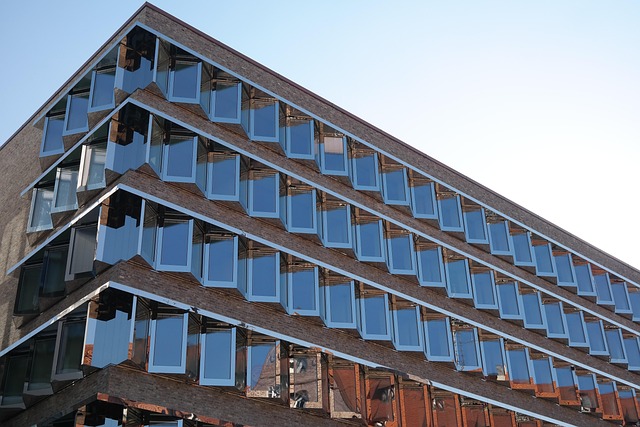
When navigating insurance coverage for debris removal, especially post-construction or renovation projects like New Build House Clearance, understanding the assessment process is key. The initial step involves meticulously evaluating the extent of damage to determine the scope of work required for efficient New Build House Clearance and sustainable living practices. This includes scrutinizing structural integrity, identifying hazardous materials, and assessing accessibility—all factors that influence both cleanup costs and insurance claims.
For instance, a recent study revealed that proper post-construction cleanup can significantly reduce the environmental impact by minimizing construction waste, aligning with the growing trend of sustainable living. Expert tips suggest a thorough inspection to identify reusable or recyclable materials before initiating debris removal. This strategic approach not only minimizes costs but also contributes to a greener future by diverting waste from landfills.
Determining coverage limits is an intricate part of this process. Insurance policies typically have specific deductibles and exclusions, so it’s crucial to know what’s covered. For instance, some policies may offer comprehensive coverage for debris removal after natural disasters, while others might require additional riders for specific scenarios like severe weather or structural failures. In cases of extensive renovation, understanding these limits ensures you’re prepared for potential out-of-pocket expenses and can plan accordingly.
Post-renovation, effective debris sorting techniques become vital. Separating materials for recycling or repurposing is not only an eco-friendly practice but also a strategic move to optimize insurance claims. For instance, metal, wood, and concrete can often be salvaged, potentially reducing the amount of difficult-to-remove items that may impact cleanup costs. If specific items are challenging to dispose of, consider visiting us at [brand name] for expert tips on managing these items efficiently.
Navigating Claims Process for Efficient Clearance

Navigating the claims process for efficient debris removal is a critical step in any construction project, especially when it comes to New Build House Clearance. The seamless integration of this process ensures that post-construction cleanup and recycling efforts are both effective and sustainable. For instance, a study by the Construction Industry Research and Information Association (CIRIA) revealed that up to 90% of construction waste can be recycled or reused if properly managed during debris removal. This not only reduces environmental impact but also offers financial benefits through cost savings on materials.
When dealing with New Home Setup and decluttering after construction, a structured approach is essential. The initial step involves sorting materials into categories such as recyclable, reusable, and disposable. For example, wooden elements can be salvaged for new build projects or donated to local charities; metal components can be recycled; and hazardous materials require proper disposal according to local regulations. This meticulous process not only facilitates faster New Build House Clearance but also aligns with the growing trend of sustainable living and reducing construction waste.
Expert deconstruction specialists play a pivotal role in this regard, offering sustainable solutions for construction waste management. They employ advanced techniques and equipment to ensure efficient debris removal while minimizing environmental impact. Moreover, these professionals can help homeowners navigate insurance coverage for debris removal, clarifying what is covered under policies and streamlining the claims process. This proactive approach enables smoother New Home Setup transitions and contributes to a greener construction industry overall.
Incorporating eco-friendly practices into new build projects doesn’t just benefit the environment; it also appeals to potential homebuyers who increasingly prioritize sustainability. By embracing these sustainable solutions for construction waste, builders and homeowners can reduce their carbon footprint, promote recycling, and foster a more harmonious relationship between construction and sustainable living. To learn more about efficient debris removal and insurance coverage, connect with local house deconstruction specialists who specialize in these eco-conscious practices.
Enhancing Protection: Post-Clearance Insurance Considerations

Enhancing Protection: Post-Clearance Insurance Considerations for New Build House Clearance
Post-construction debris removal is a critical phase in any new build or renovation project. Beyond efficient clearance, ensuring proper insurance coverage can safeguard against unforeseen costs and disruptions. This becomes particularly paramount during the initial stages of a new home setup, post-renovation or construction, when decluttering and sorting through debris are essential tasks. Integrating eco-friendly debris disposal options near you into this process not only contributes to environmental sustainability but also offers additional protection for your property and budget.
For instance, consider the scope of traditional insurance policies in relation to New Build House Clearance. Most standard home insurance policies do not cover debris removal or cleanup costs. This gap can create significant financial burdens if unexpected issues arise during post-construction clearance. To bridge this coverage gap, specific policies for debris removal and environmental remediation should be considered. These specialized plans account for the unique challenges of construction sites, including potential hazardous materials and the need for proper disposal according to local regulations.
Implementing effective debris sorting techniques post-renovation is another strategic layer in enhancing protection. By separating recyclable, reusable, and disposable materials, you not only contribute to a greener environment but also potentially reduce removal costs. For example, recycling and reusing items post-renovation can significantly lower disposal fees and even generate rebates through certain eco-friendly debris disposal options near you. Moreover, proper sorting facilitates efficient waste management and can foster a smoother transition into your new living space.
In light of these considerations, it’s crucial to consult with insurance professionals who specialize in construction projects. They can tailor policies to cover not only debris removal but also potential liabilities associated with post-renovation cleanup. By combining robust insurance coverage with eco-friendly disposal practices and meticulous sorting techniques, homeowners can ensure a seamless transition into their new homes, confident that they are protected against unforeseen challenges during this transformative phase.
By delving into the intricacies of insurance coverage for debris removal, this article has equipped readers with a comprehensive understanding of navigating complex policies, especially when it comes to New Build House Clearance scenarios. Key takeaways include recognizing policy limitations, efficiently managing claims processes, and post-clearance considerations to enhance protection. Readers now possess valuable insights to assess damage, determine coverage limits, and ensure efficient clearance, empowering them to make informed decisions in the event of debris removal needs, both for existing properties and new builds. This authoritative guide serves as a practical toolkit for navigating insurance complexities, fostering peace of mind during potentially challenging situations.