
Construction waste management is a growing global challenge, with regulations driving high recycling rates. Improper handling leads to environmental damage and legal issues. To mitigate this, the industry must adopt sustainable practices during New Build House Clearance, including circular economy principles, eco-friendly materials, proper segregation, and stakeholder involvement. This reduces impact, ensures compliance, and contributes to a greener future. Key strategies involve using natural resources, innovative recycling methods, planning for material reuse, and collaborating with local recyclers. Governments incentivize eco-conscious debris management, with New Build House Clearance playing a crucial role in achieving sustainable construction goals.
The construction industry’s impact on the environment is a growing concern, with waste from New Build House Clearance processes contributing significantly to global landfill volumes. This article delves into the pressing issue of construction waste, highlighting the environmental and economic consequences of inefficient clearance practices. We explore innovative sustainable solutions that offer a paradigm shift in managing waste from new build projects, focusing on strategies that promote recycling, resource recovery, and minimal site impact. By adopting these methods, we can ensure a greener future for both the industry and the planet.
- Understanding Construction Waste: Impacts & Statistics
- The Role of Recycling in New Build House Clearance
- Innovative Technologies for Sustainable Demolition
- Best Practices for Minimizing Waste on Site
- Eco-Friendly Materials and Their Applications in Construction
- Policy and Incentives for a Greener Building Industry
Understanding Construction Waste: Impacts & Statistics
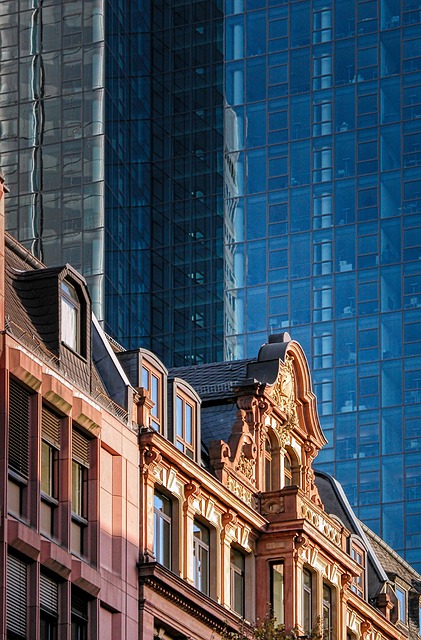
Construction waste, a by-product of the ever-growing new build house clearance industry, poses significant environmental challenges. The volume of waste generated during the construction and demolition of buildings is staggering, with statistics indicating that global construction waste is expected to reach 4.2 billion tons by 2025. This surge in waste is not only a concern for environmentalists but also a legal and ethical consideration for the industry. In many jurisdictions, proper New Build Disposal is now subject to stringent regulations, with strict penalties for non-compliance. For instance, in the UK, the Construction Industry Waste Management Regulations 2012 mandate that at least 90% of construction waste be recycled or reused.
The impacts of improper construction waste management are far-reaching. Landfills, already overburdened, are further strained, while air and water pollution increase due to the release of toxic materials. Additionally, valuable resources are lost, as many construction materials, such as concrete, steel, and wood, can be reused or recycled. This not only reduces the need for new resource extraction but also minimizes greenhouse gas emissions. For instance, recycling one ton of steel saves 2,500 pounds of iron ore, 250 pounds of coal, and 7,000 gallons of water. A shift towards sustainable solutions for construction waste, including proper New Build Cleanup, is not only an environmental imperative but also a strategic business decision.
To address these challenges, the industry must adopt comprehensive strategies. This includes the implementation of circular economy principles, where waste is minimized, and resources are reused and recycled. Using eco-friendly materials and methods, such as prefabrication and modular construction, can significantly reduce waste generation. Furthermore, engaging with local resources for eco-conscious house clearance can facilitate proper waste segregation and disposal, ensuring compliance with New Build Disposal Legal and Ethical Considerations. A practical step is to involve all stakeholders, from contractors to architects, in waste reduction planning. By embracing these sustainable solutions, the construction industry can play a pivotal role in reducing its environmental footprint, contributing to a greener and more sustainable future.
Visit us at [local resources for eco-conscious house clearance](https://www.example.com) to explore more comprehensive guides, such as our New Build Cleanup A Comprehensive Guide, and stay informed about the latest in sustainable construction practices.
The Role of Recycling in New Build House Clearance
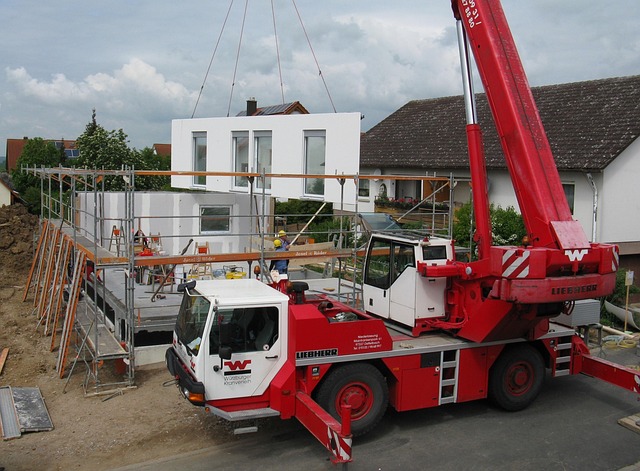
The efficient management of construction waste, particularly during and after new build house clearance, is a cornerstone of sustainable construction practices. Recycling plays a pivotal role in this process, offering environmental and economic benefits. In the context of new build house clearance, recycling not only reduces the strain on landfills but also provides valuable resources for future projects, fostering a circular economy. For instance, according to recent studies, construction and demolition waste account for a significant portion of total municipal solid waste globally, emphasizing the urgency of adopting efficient recycling strategies.
Navigating the costs associated with new build house clearance is a key challenge. While initial investments in recycling infrastructure may seem steep, the long-term gains are substantial. Effective recycling programs can lead to substantial cost savings for construction companies and developers. For new home setups, decluttering after construction is a crucial step in preparing properties for occupancy. Engaging trusted clearing experts can ease this process, ensuring that valuable materials are properly recycled or reused. This not only reduces the environmental impact but also eases the stress associated with post-construction cleanup.
Hiring reputable clearing experts who prioritize sustainable practices is essential for successful new build house clearance. These professionals are adept at handling various materials, from wood and metal to plastics and concrete, ensuring they are recycled or disposed of responsibly. In many cases, these experts can provide strategic property clearing services tailored to specific client needs, making the process seamless and efficient. As the construction industry continues to evolve, embracing innovative waste reduction strategies, such as those offered by reducing waste with strategic property clearing, will be vital in achieving net-zero goals.
Innovative Technologies for Sustainable Demolition

The construction industry is undergoing a significant transformation as sustainability emerges as a paramount concern. Among the various challenges, managing construction waste and promoting eco-conscious practices in demolition have gained critical attention. Innovative technologies are now revolutionizing the way we approach New Build House Clearance, offering a path towards more sustainable and environmentally friendly post-renovation bliss (PRB). This shift is not just about aesthetics; it involves strategic deconstruction methods that minimize waste generation, especially for large debris, which has traditionally been a significant environmental burden.
One of the most promising advancements is the integration of advanced deconstruction techniques. These technologies enable efficient disassembly and recycling of building materials, ensuring that structures can be transformed into usable resources for new projects. For instance, robotic deconstructors and automated sorting systems can carefully dismantle buildings, separate materials like wood, steel, and concrete, and prepare them for reuse or recycling. This not only reduces the amount of waste ending up in landfills but also provides a cost-effective solution for New Home Essentials Unpacking After Construction, as salvaged materials can be utilized in various ways, from creating eco-friendly building components to generating energy through recycling processes.
Moreover, digital twin technology offers a novel approach to planning sustainable demolition. By simulating the deconstruction process virtually, experts can predict material recovery rates and optimize the disassembly sequence. This precision ensures that even intricate structures can be demolished with minimal environmental impact. As data-driven methods become more prevalent, we move towards a more circular construction model, where every element has a new life, fostering a Post-Renovation Bliss A Clean Space Guide that is both aesthetically pleasing and environmentally responsible. To experience these innovative solutions firsthand, visit us at cost-effective home deconstruction anytime.
Best Practices for Minimizing Waste on Site

Construction waste minimization begins with best practices implemented on site during new build house clearance processes. One of the most effective strategies is to embrace a mindset of resourcefulness. Instead of viewing materials as waste, consider repurposing or recycling them. For example, wooden pallets can be deconstructed and used for building boxes or furniture, while bricks from demolished walls can find new life as landscaping features or art pieces. On-site sorting stations, equipped with separate bins for recyclables, hazardous materials, and reusable items, facilitate efficient waste separation. This not only reduces the environmental impact but also offers significant cost savings through DIY post-build clearing methods.
Post-construction chaos can be transformed into well-organized order through meticulous planning. Understanding local regulations regarding new build house clearance permits is essential. Permits ensure compliance and streamline the legal aspects of waste removal. Many jurisdictions provide online resources to guide residents through the process, including details on acceptable disposal methods for various materials. Efficient clearance begins with a thorough understanding of these guidelines, allowing for safe and responsible recycling or donation of salvageable items. Professional clearing services can be cost-effective, especially when dealing with large-scale projects, but DIY approaches are viable for smaller renovations, promoting environmental responsibility without breaking the bank.
Cost savings become more apparent when considering long-term sustainability goals. While initial investment in sustainable practices may seem higher, they offer significant returns over time. For instance, proper sorting and recycling can reduce landfill waste disposal costs. Moreover, some municipalities offer incentives or tax breaks for businesses and individuals who embrace eco-friendly practices, further enhancing cost savings. Planning for efficient post-renovation cleanup by engaging with experts on the topic—give us a call to discuss tailored strategies—ensures that new build house clearance doesn’t just happen but is executed mindfully, contributing to a greener future without compromising on quality or efficiency.
Eco-Friendly Materials and Their Applications in Construction
Navigating the construction industry’s environmental impact requires a strategic shift towards eco-friendly materials and practices. As the demand for sustainable New Build House Clearance increases, understanding the applications of these materials becomes paramount. One key area is utilizing natural, renewable resources in building processes to minimize waste and reduce the carbon footprint. For instance, bamboo, a rapidly renewable resource, has exceptional strength-to-weight ratios, making it ideal for structural elements, flooring, and even insulation. This sustainable alternative reduces the need for traditional timber, thereby decreasing deforestation-related impacts.
Eco-conscious solutions extend beyond materials selection. Effective debris management during New Build House Clearance is crucial. Navigating insurance coverage for debris removal ensures financial protection while promoting responsible waste disposal. Professional clearance services often employ innovative methods to recycle and repurpose materials, reducing the volume of waste sent to landfills. For large debris items, specialized equipment and eco-friendly practices can significantly minimize environmental harm. For example, concrete, instead of being discarded, can be crushed and recycled into aggregate for road base or new construction, saving resources and energy.
Top tips for eco-friendly house clearance include planning for material reuse and recycling from the project’s inception. Collaborating with local recyclers and waste management companies specializing in sustainable practices ensures proper disposal and recovery of materials. Moreover, comparing costs: traditional vs professional clearance can reveal substantial environmental and financial benefits. For instance, a study found that using recycled materials in construction can reduce waste disposal costs by up to 30% while cutting carbon emissions significantly. By adopting these eco-conscious solutions, the construction industry can contribute to a greener future, ensuring responsible New Build House Clearance practices throughout.
Visit us at [brand/website] to explore more about comparing costs and discover professional clearance services that prioritize both sustainability and efficiency.
Policy and Incentives for a Greener Building Industry
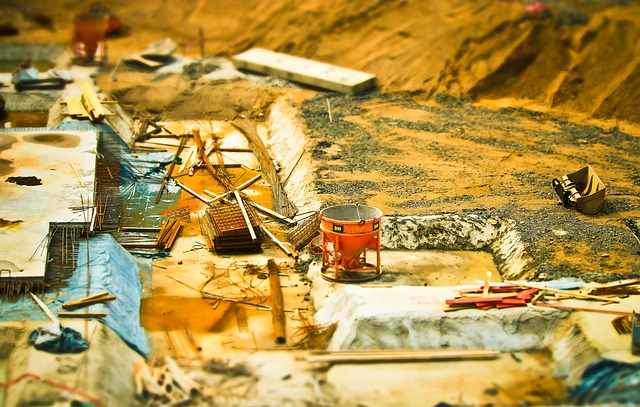
Navigating the policy landscape is a critical step towards fostering a greener building industry, where New Build House Clearance plays a pivotal role in sustainable construction practices. Governments worldwide are introducing policies that incentivize eco-conscious debris management and waste reduction strategies. These initiatives not only promote environmental stewardship but also offer long-term economic benefits to developers and contractors. For instance, tax breaks and grants for implementing green building practices have been successful in many regions, encouraging a shift towards more sustainable construction methods, including natural New Build House Clearance solutions.
One key aspect to consider is the role of insurance coverage in facilitating eco-friendly debris removal. As large debris poses significant challenges in terms of safe disposal, ensuring comprehensive insurance policies that cover the cost of removing and managing such waste is essential. This includes navigating liability issues and understanding the scope of coverage provided by insurers. By encouraging contractors to invest in sustainable practices through policy incentives, we can drive a more responsible approach to New Build House Clearance, particularly for large debris generated from complex construction projects.
Implementing eco-conscious solutions for both small and large debris is where true progress lies. For smaller waste materials, innovative recycling techniques and upcycling programs have proven effective in diverting construction waste from landfills. These initiatives often involve collaboration between industry players, local authorities, and environmental organizations to establish efficient recycling frameworks. In contrast, managing large debris requires specialized equipment and strategies tailored for hazardous material disposal, ensuring public safety and environmental protection. By exploring sustainable solutions for all types of construction waste, the industry can significantly reduce its carbon footprint.
To embrace a more sustainable future, the building sector must prioritize eco-friendly practices at every stage of project development. This includes pre-planning for efficient debris management, choosing materials with lower environmental impact, and adopting innovative technologies. As the demand for green buildings continues to rise, contractors who integrate New Build House Clearance into their strategies will be well-positioned to capitalize on market trends while contributing to a safer, more sustainable environment. For expert guidance and safe disposal of construction waste, visit us anytime.
The article has comprehensively explored sustainable solutions for construction waste, highlighting critical areas such as understanding the impacts and statistics of construction waste, recycling in new build house clearance, innovative technologies for demolition, best practices for minimizing waste on site, eco-friendly materials, and policy incentives for a greener building industry. Key insights include the significant environmental and economic benefits of recycling and reusing construction materials, the potential of advanced technologies to reduce waste during demolition, and the importance of adopting best practices throughout the construction process. Additionally, the role of supportive policies and incentives in encouraging sustainable practices within the industry has been emphasized. Moving forward, implementing these strategies, particularly in New Build House Clearance, can lead to substantial reductions in construction waste, fostering a more sustainable and responsible building sector.