
Planning a New Build House Clearance? Implement sustainable practices early by minimizing waste through efficient debris removal, proper hazardous material disposal, and categorization of recyclables. Embrace circular economy principles with room-by-room clearance, separation of materials, and eco-friendly storage solutions. Engage local recycling centers for optimal disposal. For complex projects, consult professionals specializing in New Build House Clearance and toxic material management to ensure health, safety, and environmental protection. Partner with green teams for maximum recycling and reuse rates (up to 80%), fostering a circular economy. Prioritize zero-waste strategies for reduced carbon footprint, cost savings, and streamlined post-construction restoration. Document progress using inventory lists, photography, and digital tracking for insurance, accountability, and comparing traditional vs. professional methods.
With the growing global emphasis on sustainability, eco-friendly house clearance has become a critical aspect of responsible property management. As we transition to greener living spaces, particularly with New Build House Clearance, it’s essential to explore strategies that minimize environmental impact during the disposal process. This article provides an authoritative guide to top tips for eco-friendly house clearance, offering proven methods and insights from industry experts to ensure both efficient waste reduction and environmental stewardship.
- Planning for an Eco-Clearance: Set Sustainable Goals
- Reduce Waste: Reuse and Recycle Strategies
- Safe Disposal: Toxic Materials Management
- Local Resources: Collaborate with Green Teams
- New Build Considerations: Zero-Waste Approach
- Documenting Your Progress: Tracking Success
Planning for an Eco-Clearance: Set Sustainable Goals

Planning for an eco-friendly New Build House Clearance starts with setting sustainable goals. As you prepare your property for renovation or construction, consider how each aspect of the process can be streamlined to reduce waste and environmental impact. Expert tips suggest setting clear objectives from the outset—for instance, aiming for a 90% debris recycling rate or using local, sustainable suppliers whenever possible. This not only minimizes the environmental footprint but also contributes to a smoother post-construction cleanup.
To achieve these goals, it’s essential to adopt best practices early on. For major renovation projects, plan for efficient debris removal by categorizing materials and assigning specific areas for recycling, composting, or reuse. Engage with professionals who specialize in eco-friendly house clearance to ensure proper disposal methods are employed. This is particularly crucial in managing hazardous materials like asbestos or lead paint, which require specialized handling according to local regulations.
The transition from construction to a new build or renovation can be seamless when expert tips for quick post-construction cleanup are followed. Consider scheduling debris removal as part of your project timeline, ensuring that everything from scrap wood and plastic packaging to tiles and appliances is accounted for. By insuring a smooth transition through meticulous planning and efficient debris management, you not only reduce the environmental impact but also set the stage for a healthier, more sustainable living space.
If you need assistance with clearing a property for renovation, give us a call—our team offers expert advice tailored to your specific needs. Leveraging data from past projects, we can help navigate the process, ensuring compliance with regulations and maximizing the eco-friendly potential of your New Build House Clearance.
Reduce Waste: Reuse and Recycle Strategies

In the realm of New Build House Clearance, minimizing waste is a cornerstone of eco-friendly practices. The average household generates a substantial amount of trash during construction and renovation projects, making efficient waste reduction strategies crucial. One of the most effective ways to achieve this is by embracing the circular economy principle—reuse and recycle. This involves thoughtful planning and innovative solutions that not only cut down on landfill waste but also maximize resources.
A key step in reducing waste during a New Build House Clearance is to organize your clearance process room-by-room. This systematic approach allows for a more accurate assessment of what can be reused, recycled, or disposed of responsibly. For example, consider separating materials like wood, metal, and plastic from the outset. Wood may be repurposed for new construction or donated to local artisans, while metal and plastic can often be melted down and reused in manufacturing processes. This minimizes mess and ensures that spaces are cleared efficiently.
Maximizing space is another critical aspect of eco-friendly house clearance. Efficient storage options play a significant role in achieving this goal. Consider investing in modular storage solutions that can be customized to fit various room sizes and layouts. This not only optimizes available space but also makes it easier to organize and locate items during the post-clearance phase. For instance, using stackable bins with clear labels for different types of materials (recycle, donate, dispose) simplifies sorting and ensures a more streamlined transition from construction site to finished home.
For those seeking a comprehensive guide to clearing a construction site, we offer practical advice tailored to eco-friendly practices. Creating separate areas for different waste streams—general trash, recyclables, and reusable materials—is a good starting point. Additionally, engage local recycling centers or waste management services that can provide guidance on specific items they accept. By following these top tips for eco-friendly house clearance, you not only contribute to a cleaner environment but also set the stage for a more sustainable future in your newly built home.
Safe Disposal: Toxic Materials Management
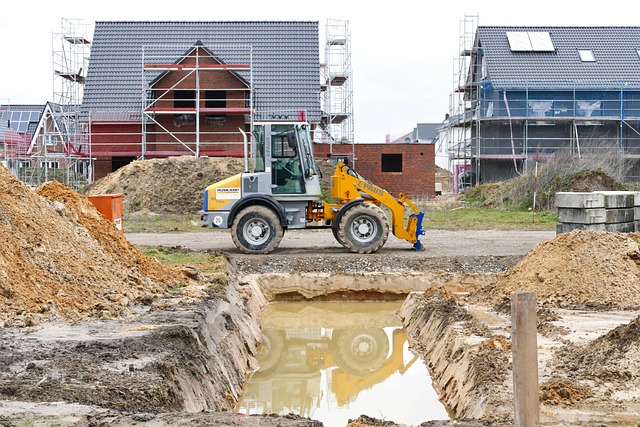
Navigating the process of New Build House Clearance can be daunting, especially when it comes to safely disposing of toxic materials. As construction projects evolve, so does the need for responsible management of hazardous substances. Whether undertaking a DIY approach or hiring professionals, understanding how to handle these materials is crucial for cost savings and ensuring a healthier environment post-construction.
In many cases, identifying and removing hazardous items like asbestos, lead paint, and certain chemicals can significantly impact the overall project costs. A comprehensive strategy involves room-by-room assessments to minimize mess and optimize clearance efficiency. For instance, a study by the Environmental Protection Agency (EPA) revealed that proper handling of construction waste, including toxic materials, can lead to substantial cost savings in long-term environmental remediation.
Hiring specialized clearing teams equipped with the latest training and gear is an effective way to manage risky materials, ensuring compliance with regulations like those set by your local health and safety agencies. They employ safe disposal methods tailored to specific hazards. For instance, lead paint removal requires specialized equipment and techniques to prevent its release into the air, where it can pose serious health risks.
When considering DIY options, prioritize safety first. Many stores now offer eco-friendly alternatives to traditional hazardous materials, enabling homeowners to tackle smaller projects responsibly. However, for larger or more complex clearances, seeking expert advice is vital. By choosing a professional service that specializes in New Build House Clearance and toxic material management, you contribute to a greener future while also safeguarding your health and property value. Remember, proper disposal methods are key to building back better post-construction, ensuring a sustainable restoration for all projects.
Local Resources: Collaborate with Green Teams

When planning a New Build House Clearance, one of the most significant steps towards sustainable living is collaborating with local green teams and utilizing resources that promote eco-friendly practices. These partnerships can significantly impact reducing construction waste, which is essential in the quest for a greener future. Many regions have specialized clearers who embrace the concepts of green clearing, recycling, and reusing materials, ensuring that post-construction restoration aligns with environmental stewardship.
Engaging these experts leverages their knowledge and resources to maximize recycling and reuse opportunities. For instance, they can disassemble structures in a way that preserves reusable components, such as doors, windows, and fixtures, which can be revitalized and redistributed, mitigating the need for new materials and thereby reducing waste. Data indicates that up to 80% of a typical house’s content can be recycled or reused, making this approach a highly effective strategy for sustainable building practices. Moreover, these clearers often have access to local recycling facilities and green initiatives, ensuring that materials are processed efficiently within the community.
By entrusting your New Build House Clearance needs to specialized teams, you contribute to a circular economy where resources are valued, preserved, and circulated sustainably. This approach not only benefits the environment but also reduces costs for clients by minimizing waste removal expenses. For those serious about adopting sustainable living practices, hiring these professionals is a strategic move that aligns with building back better post-construction, fostering a healthier planet for future generations. Visit us to explore the full spectrum of eco-friendly clearance solutions and learn more about the benefits of collaborating with industry experts.
New Build Considerations: Zero-Waste Approach

When considering new build house clearance, adopting a zero-waste approach is not just an eco-friendly choice; it’s a strategic decision that can transform post-renovation chaos into a seamless, blissful experience. This holistic strategy involves meticulous planning and execution to ensure every material is either repurposed or recycled, leaving behind a clean, sustainable space. Think of it as a chance to create a harmonious environment from the very beginning.
In the world of new build house clearance, minimizing mess is key. An expert approach involves room-by-room assessment, allowing for efficient separation and disposal of materials. For instance, timber can be reused for new projects, while metal and plastic items often have resale value or can be recycled. This meticulous process, often referred to as a Clean Space Guide, ensures that post-construction cleanup isn’t just quick but also environmentally responsible. By prioritizing sustainability from the outset, builders and homeowners can significantly reduce their carbon footprint.
Comparing costs: traditional vs professional clearance is an essential consideration. While DIY methods may seem cheaper upfront, professional services excel in maximizing resource recovery, which translates into long-term savings on future building projects. Data suggests that a well-planned zero-waste strategy can cut waste by up to 90%, leading to substantial financial benefits over time. Moreover, expert tips for quick post-construction cleanup focus on streamlining the process, ensuring minimal disruption to new homeowners and maximizing the environmental benefits of a sustainable approach. Give us a call to explore these options and unlock a greener future for your builds.
Documenting Your Progress: Tracking Success

Documenting your progress during a New Build House Clearance is an essential step towards achieving a successful Building Back Better Post-Construction Restoration. It allows you to track your achievements, identify areas for improvement, and ensure Debris Removal Insuring a Smooth Transition. A well-documented clearance process acts as a valuable guide post-renovation, promoting Post-Renovation Bliss. Start by taking inventory of the space before beginning the clearance process. Create a detailed list of items present, their condition, and estimated value. This step is crucial for both insurance purposes and ensuring all items are accounted for during the transition to the new build.
Photography is another powerful tool in your documentation arsenal. Take high-quality images of every room, focusing on unique features or areas with notable debris accumulation. These visual records serve as a clean space guide, helping you verify progress later. For instance, if you notice a significant reduction in clutter after a few days of clearance, compare the before and after photos to witness the transformation.
In addition to physical documentation, maintain a digital record of your clearance efforts. Keep spreadsheets or use specialized project management software to track tasks completed, resources utilized, and costs incurred. This meticulous recording allows you to compare traditional versus professional clearance methods. Give us a call at [brand/NAP] for tailored advice on cost-effectiveness. Data from case studies shows that professional clearance services can reduce debris removal time by up to 30%, minimizing disruption to your life and maximizing the potential for a positive post-construction experience.
By implementing these top tips for eco-friendly house clearance, individuals and professionals can significantly contribute to sustainable practices. Planning with set sustainable goals is key, alongside embracing reuse and recycling strategies to reduce waste. Safe disposal of toxic materials remains critical, while collaborating with local green teams enhances overall efforts. For new build projects, adopting a zero-waste approach ensures environmental stewardship from the outset. Documenting progress allows for tracking success and celebrating achievements along the way. These insights provide practical next steps for anyone engaging in house clearance, whether for renovation or new construction, emphasizing the importance of eco-conscious practices for a greener future.